
There’s a lot of talk about heartworm prevention for dogs, and this often leaves cat owners confused about whether or not our feline friends are at risk and in need of heartworm protection, too.
What Are Heartworms?
Heartworms (Dirofilaria immitis) are parasites. They can grow to be up to one-foot long, and they live in the heart, lungs, and blood vessels of infected animals.
How do Animals Get Heartworms?
Animals contract heartworms when they are bitten by infected mosquitos that deposit heartworm larvae into an animal’s bloodstream. The heartworm larvae then travel throughout the bloodstream until they reach the heart. This is where the larvae grow, mature, and eventually reproduce, creating even more heartworms inside the animal’s body.
Labs are the quintessential family dog. They’re friendly, loyal, and playful. In short, they’re perfect for families with children. Plus, they have a short, double-layered coat that helps to keep them cool in warmer weather. Despite that, they’re still susceptible to heat exhaustion, and it’s important to protect them in the hot weather.
What Is Heartworm Disease?
Heartworm disease refers to a condition marked by a set of symptoms that’s caused by heartworms living in a host animal’s body. Heartworm disease includes respiratory symptoms that occur as a result of the damage that heartworms inflict on an animal’s heart and lungs.
Do Cats Get Heartworms?
Cats are not a typical host for heartworms, which means that heartworms do not survive or thrive as well when living in a feline’s body as they do in a dog’s body. However, cats can still contract heartworms. Although the parasites might not reach their full size and reproductive maturity when living inside a cat, even just a few immature heartworms can cause a cat to develop heartworm-associated respiratory disease (HARD).
Signs of Heartworm Disease in Cats
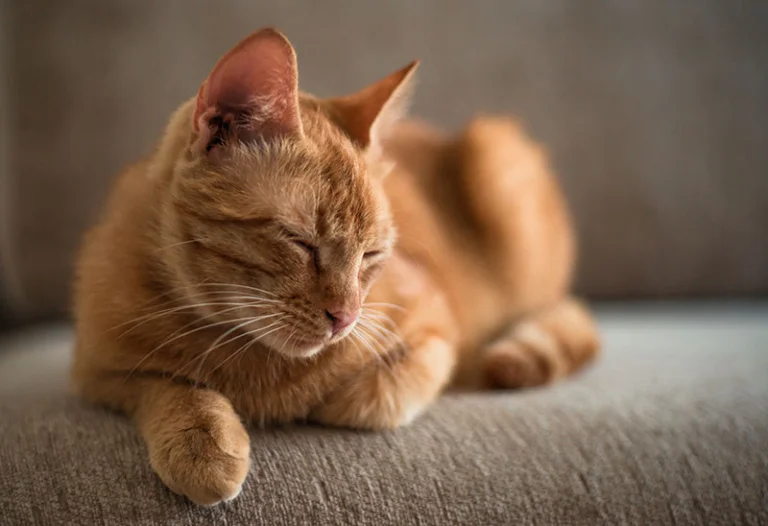
Symptoms can include:
- Coughing
- Wheezing (asthma-like issues)
- Vomiting
- Appetite loss
- Weight loss
- Trouble walking or balancing
- Fainting or seizures
- Swollen abdomen
Signs and symptoms of HARD vary greatly. Sometimes, infected cats experience severe and sudden issues while others suffer only mild symptoms that might not even be outwardly noticeable. In some cases, the first sign of heartworm disease in a cat could be sudden collapse or death.
The Importance of Preventing Heartworm Disease in Cats

While there is a treatment for heartworms in dogs (although it is not always effective), there is no treatment for heartworms in cats. As a result, heartworm disease can often be fatal for cats, and prevention with a safe and effective heartworm preventative is essential to safeguarding your cat’s health from these dangerous parasites.
Heartworm Screening and Prevention for Pets in Escondido
At Companion Animal Health & Rehabilitation Center, we take preventative veterinary care, including heartworm prevention, very seriously because these prophylactic treatments can save lives. To learn more about preventing heartworm in cats (and dogs, too), we welcome you to schedule a wellness and preventative care appointment today.