Rehabilitation Services Center

Targeted therapy restoring strength and movement.

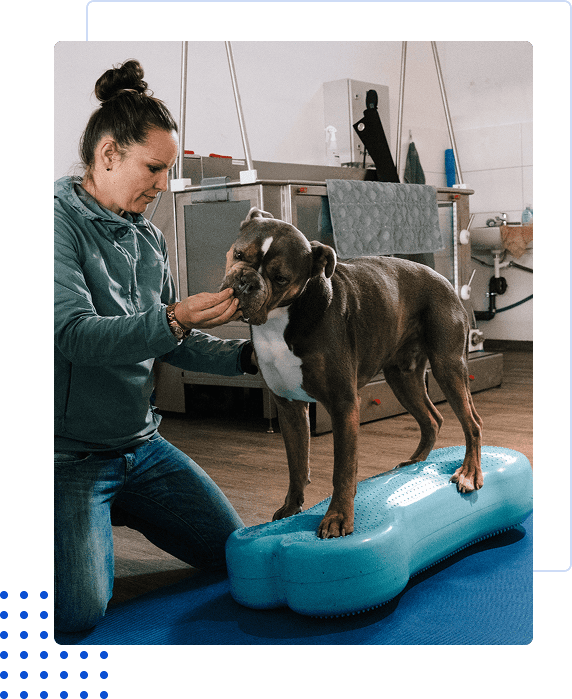
A woman training a dog balancing on a blue exercise platform.

Animal Rehabilitation for Health and Strength

Animal rehabilitation focuses on improving mobility, strength, and comfort while reducing pain. Rehabilitation supports recovery from surgery, injury, obesity, age-related changes, and degenerative conditions—helping pets maintain a better quality of life.

Rehabilitation Programs

Our comprehensive programs focus on the "whole pet," ensuring that we don't just treat a symptom, but restore overall health and vitality.
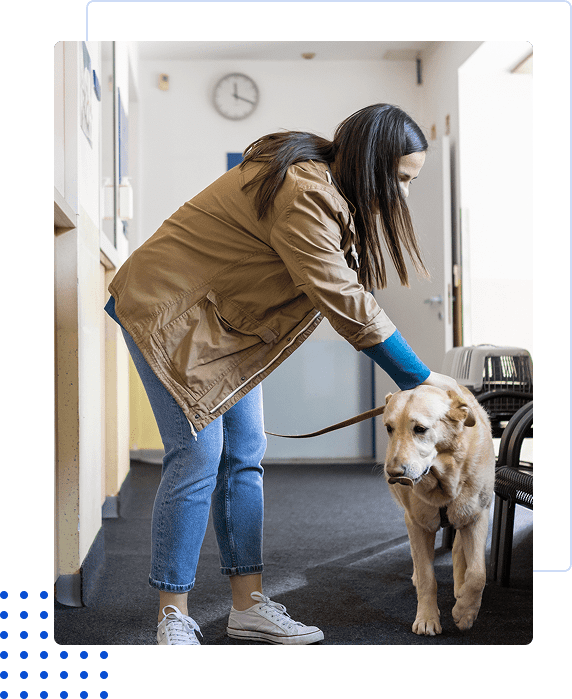
Person wearing a mask and gloves petting a dog indoors.

Modalities & Therapies

We use a combination of high-tech equipment and hands-on techniques to accelerate the body’s natural healing processes.

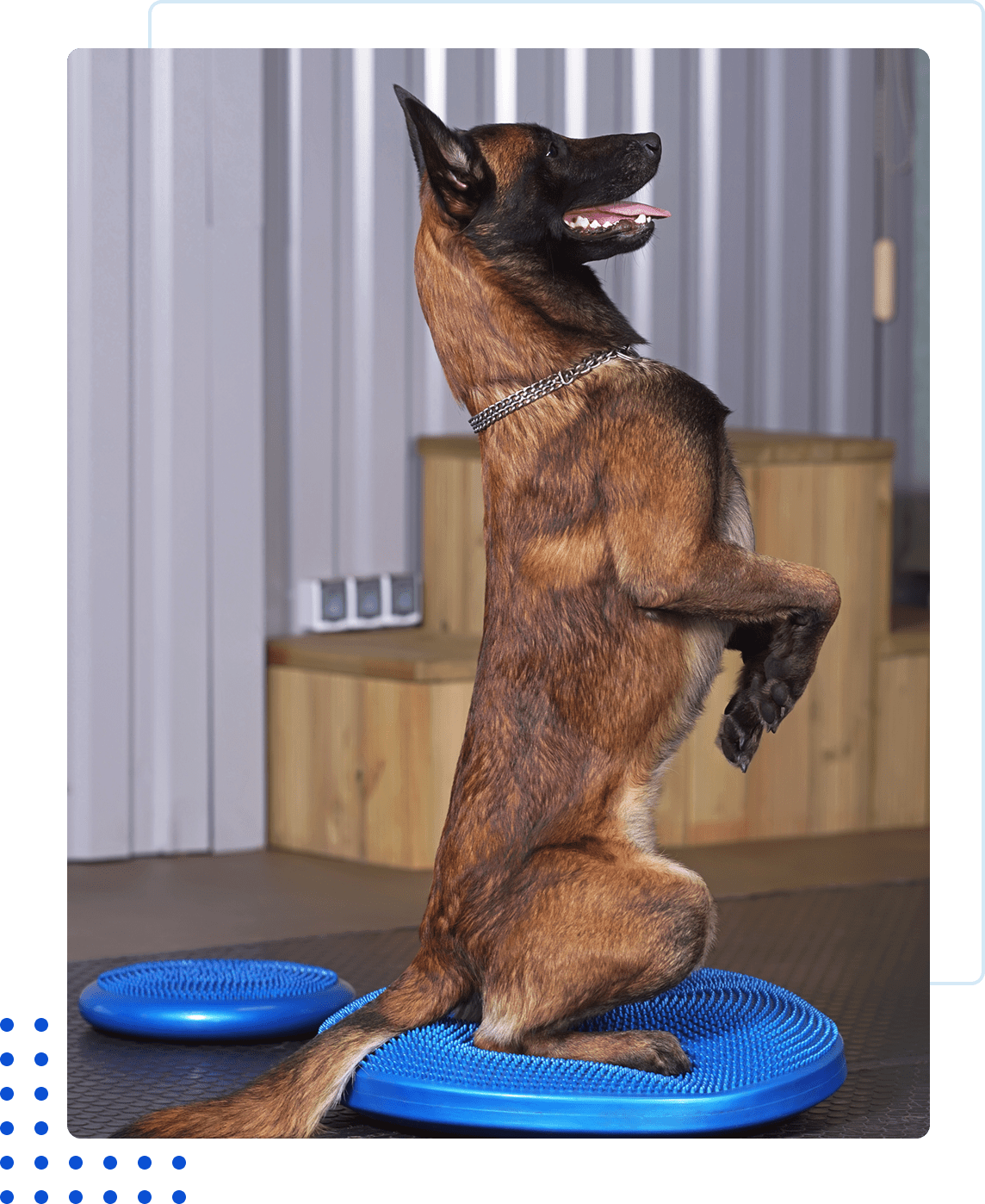
Therapeutic Exercise

  • Structured exercises help build strength, improve balance and coordination, and support joint and muscle recovery. Plans are tailored to each pet’s needs and comfort level.

Laser Therapy (Class IV)

  • Class IV therapeutic laser treatments help reduce pain, improve circulation, and accelerate tissue healing. Take-home laser devices are also available for ongoing care under veterinary guidance.

Take-Home Laser Therapy

  • For ongoing care, select patients may benefit from take-home laser units. These devices allow pet owners to continue prescribed laser treatments at home, supporting consistent pain relief, inflammation reduction, and healing between in-clinic visits.

Shockwave Therapy

  • Shockwave therapy uses high-energy acoustic waves to stimulate healing in injured or chronically painful tissues. It is especially effective for tendon and ligament injuries, joint conditions, and areas of chronic inflammation, helping reduce pain, improve circulation, and accelerate tissue repair.

Hydrotherapy

  • Hydrotherapy is a low-impact form of rehabilitation for dogs and cats that uses water to support movement and exercise. The buoyancy of the water reduces stress on joints while gentle resistance helps build strength, improve mobility, and increase endurance. It is commonly used for pets recovering from surgery or injury, managing arthritis or other joint conditions, working on weight loss, or improving overall conditioning.

Additional Modalities

  • Electrical Stimulation (E-Stim): We use TENS for immediate, drug-free pain blocking, and NMES to send electrical pulses to "sleeping" muscles, forcing them to contract and maintain strength during periods of restricted activity.
  • Ultrasound Therapy: This uses high-frequency sound waves to create deep thermal heat. It is particularly effective for "warming up" stiff tendons and ligaments before stretching.
  • Heat/Cold Therapy: We use cryotherapy (cold) to constrict blood vessels and stop swelling after a workout, and thermotherapy (heat) to increase blood flow and relax tight muscles before therapy begins.
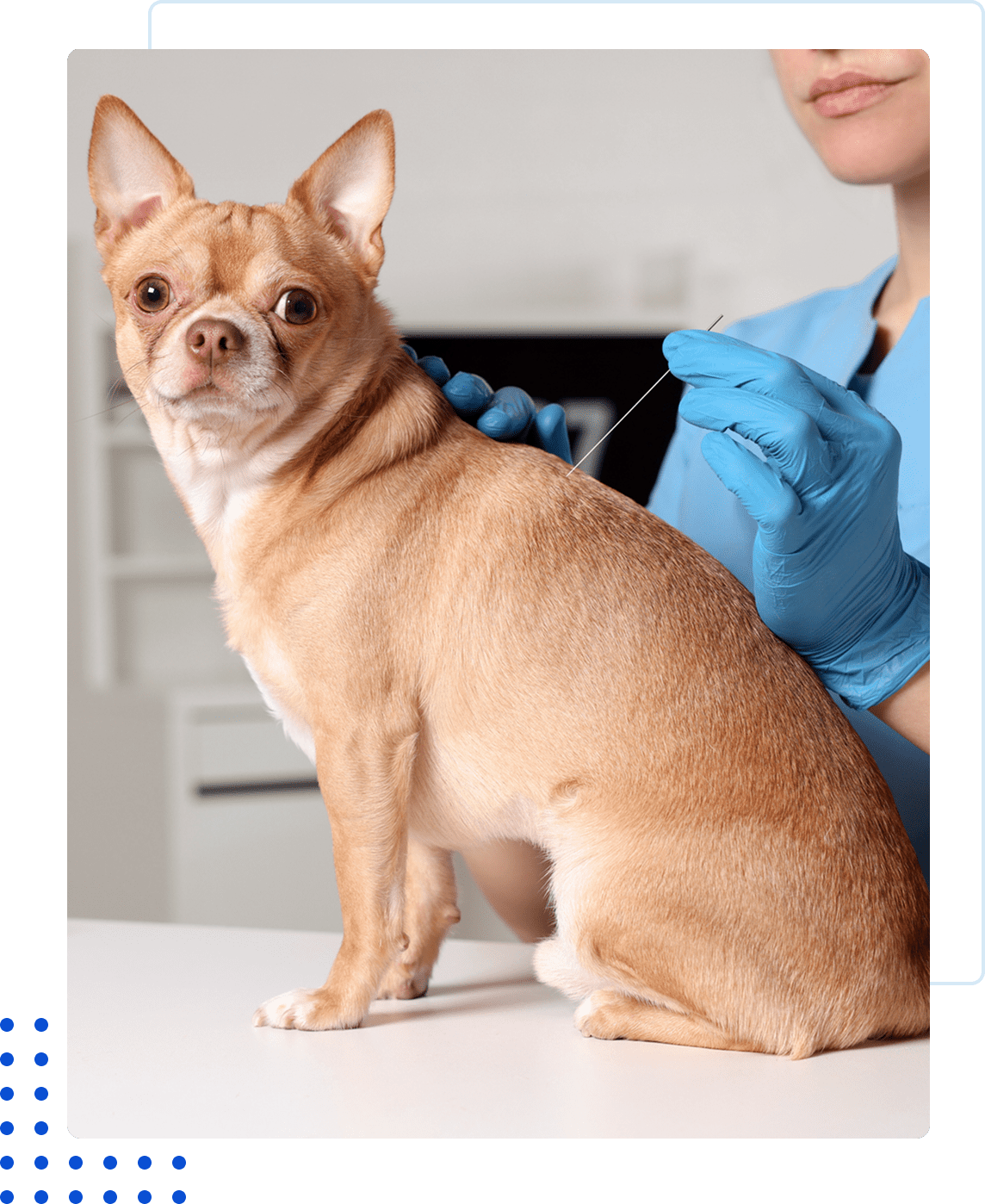
Small dog sitting on a vet table while being examined.

Acupuncture

  • Pain Modulation: Fine needles are placed at specific points to help stimulate the nervous system and support the body’s natural pain-control mechanisms.
  • Muscle Relaxation: Can help reduce muscle tension and spasms associated with injury or chronic conditions.
  • Adjunct Therapy: Commonly used alongside rehabilitation for arthritis, neurological conditions, and post-operative recovery.

Whole Body Vibration Therapy

  • Muscle Stimulation: Uses low-level mechanical vibration to activate muscles without active movement from the patient.
  • Circulation Support: Gentle vibration may assist with increasing local blood flow to muscles during rehabilitation.
  • Low-Impact Modality: Often used for patients who cannot tolerate traditional strengthening exercises.
A dog balancing on its hind legs on a blue platform.
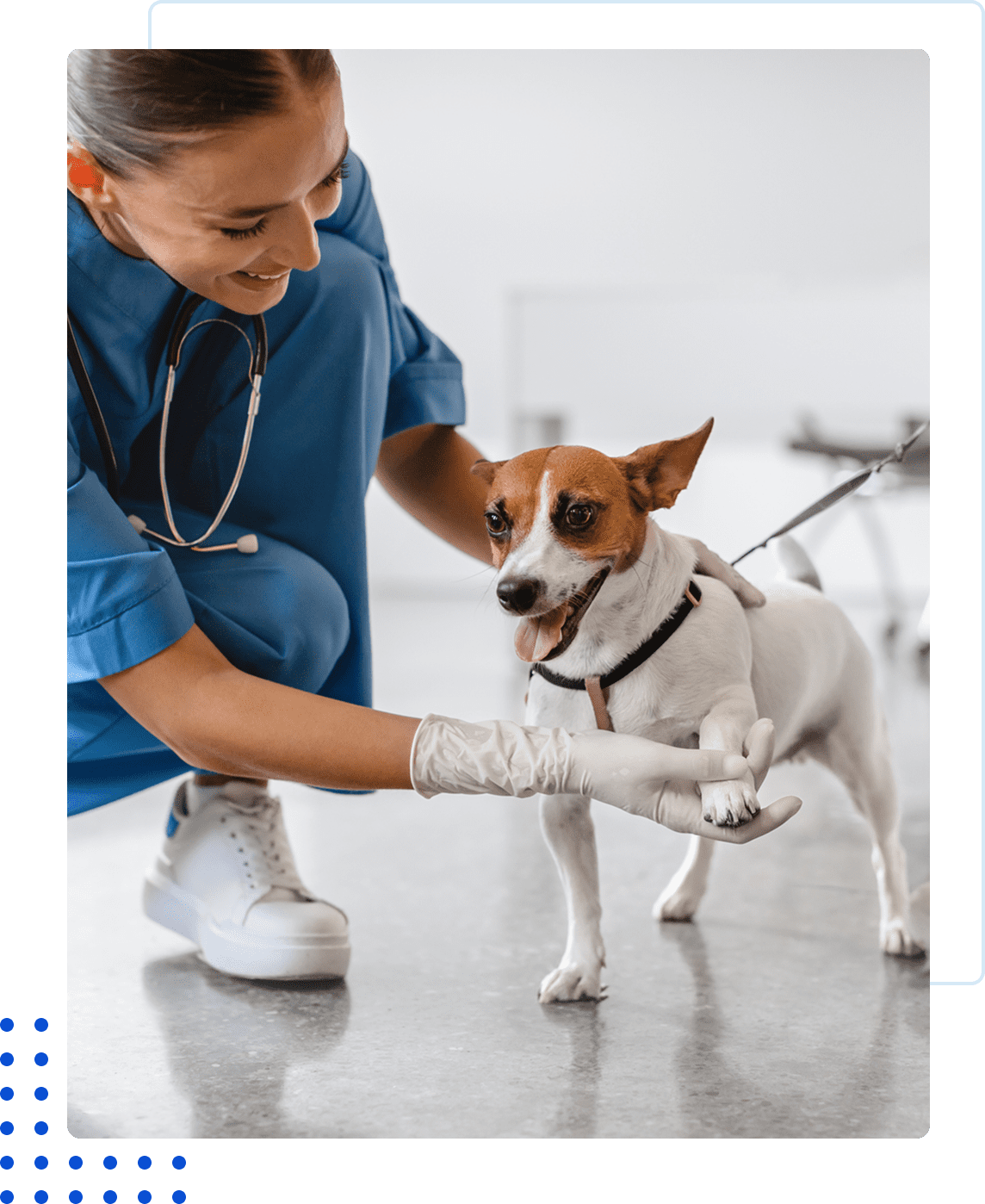
Veterinarian examining a small dog in a clinic.

Assessment & Treatment Planning

We believe that if you aren't measuring, you aren't managing.